

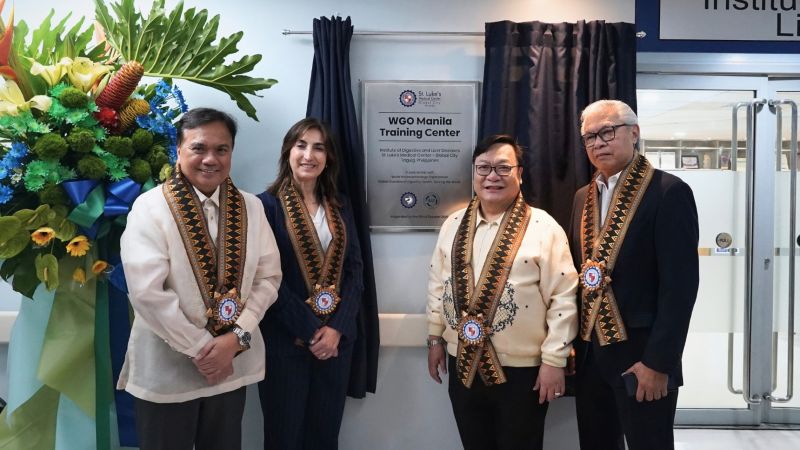
TAGUIG CITY, PHILIPPINES, — St. Luke’s Medical Center – Global City’s Institute of Digestive and Liver Diseases (IDLD) has officially been designated a World Gastroenterology Organisation (WGO) Training Center. It is only the third WGO Training Center in Southeast Asia. Named the WGO Manila Training Center, this milestone positions St. Luke’s as a global benchmark for gastroenterology, digestive endoscopy, and hepatology education, equipping local and regional gastroenterologists with world-class clinical expertise.
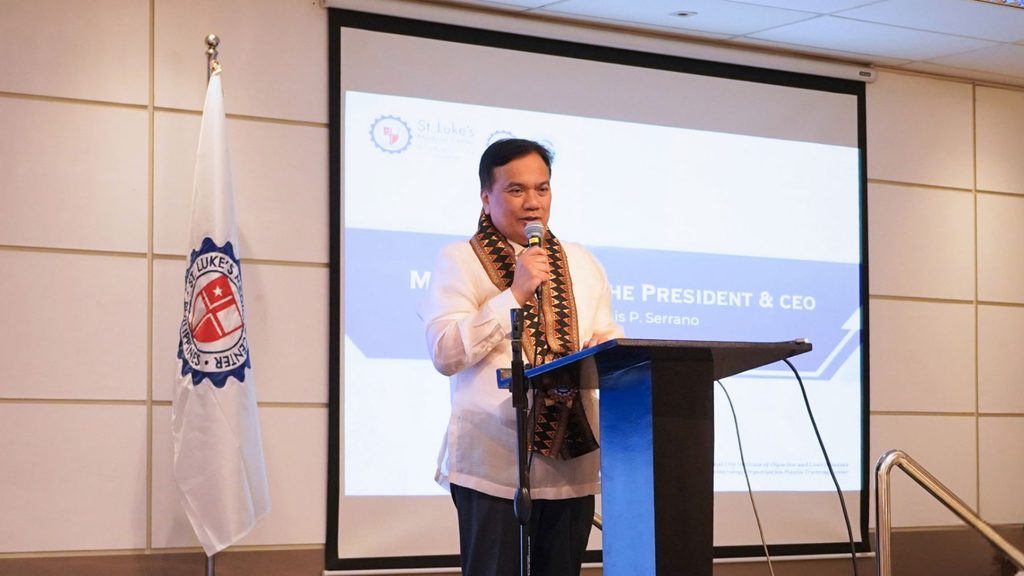
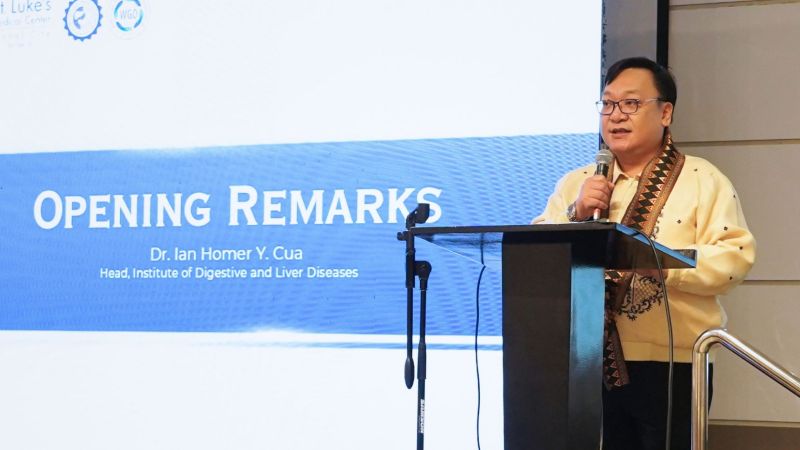
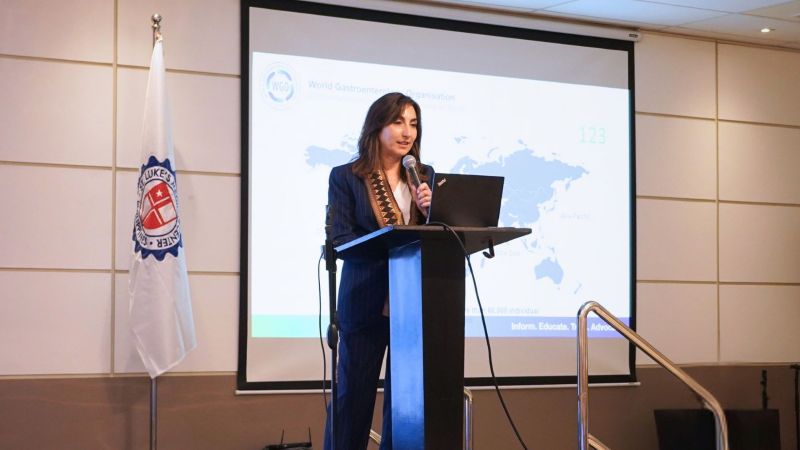
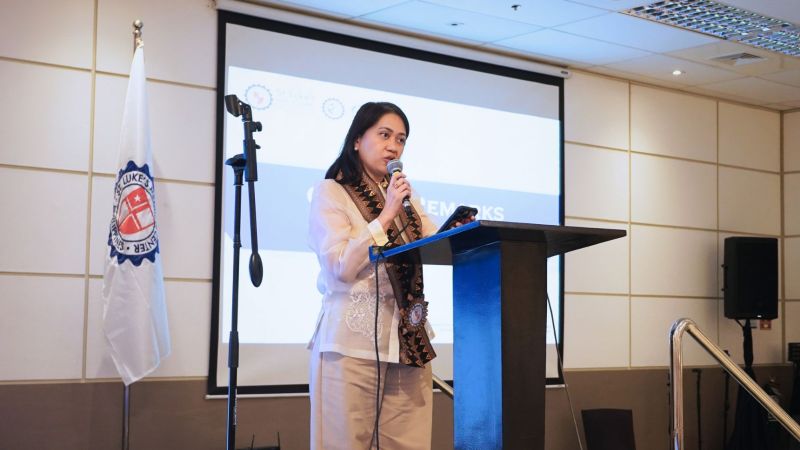
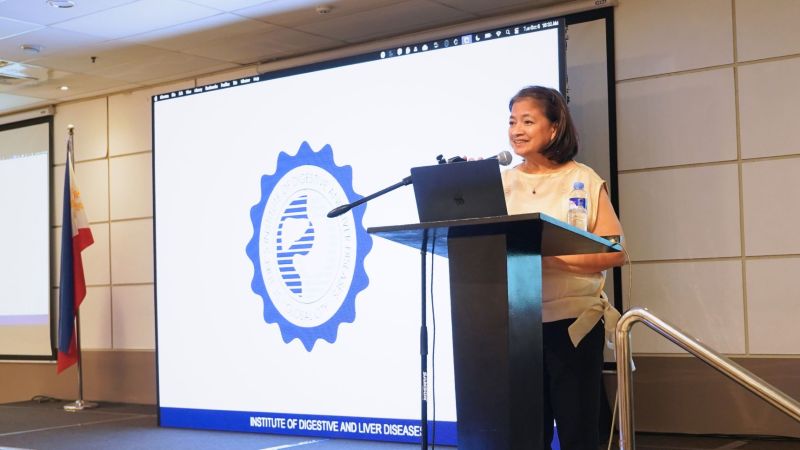
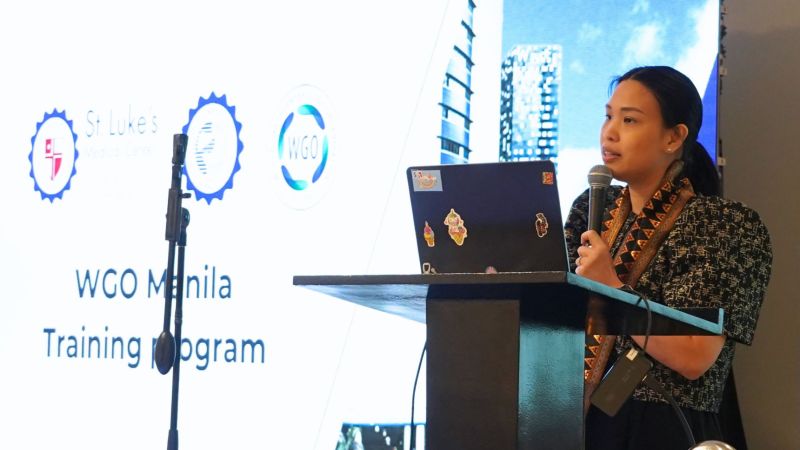
The World Gastroenterology Organisation (WGO) is a federation of over 100 member societies and regional associations representing tens of thousands of gastroenterologists worldwide. WGO Training Centers aim to advance standards in GI education and patient care globally, particularly in areas of regional need.
As part of the WGO’s global network, the WGO Manila Training Center will focus on providing structured, high-impact training in both advanced diagnostic and therapeutic endoscopy—including Endoscopic Mucosal Resection (EMR), Endoscopic Submucosal Dissection (ESD), Endoscopic Retrograde Cholangiopancreatography (ERCP), and Endoscopic Ultrasound (EUS)—and clinical hepatology, including liver transplantation.
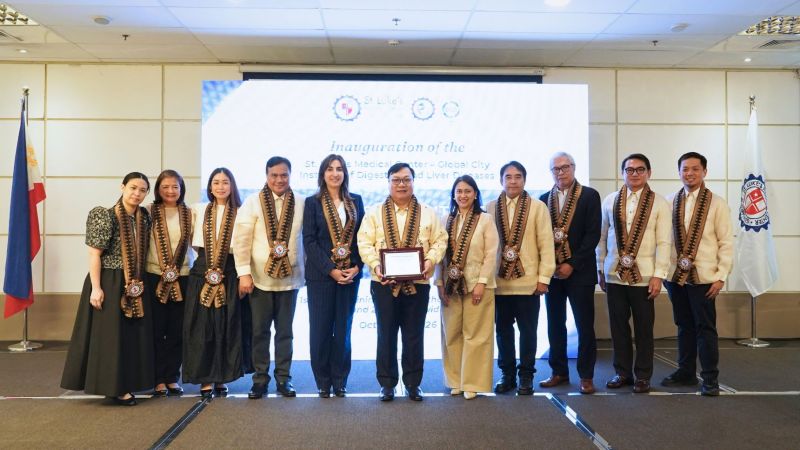
Elevating Philippine Healthcare and Local Capacity
The establishment of the WGO Manila Training Center significantly strengthens healthcare capacity in the Philippines by providing specialized education in-country. Local and international trainees will benefit from structured clinical and endoscopic observerships, simulation-based training programs (such as ex-vivo workshops), and the Basic Endoscopic Skills Training (BEST) Upper and Lower Workshops delivered alongside the Academy of Endoscopy.
Through partnerships with key local organizations—such as the Philippine Society of Gastroenterology (PSG), the Philippine Society of Digestive Endoscopy (PSDE), and the Hepatology Society of the Philippines (HSP)—as well as international bodies like the Asian Novel Bio-Imaging and Intervention Group (ANBIIG), the center will directly address burden-heavy digestive and liver health conditions prevalent in the region. These include viral hepatitis, inflammatory bowel disease, gastrointestinal motility disorders, and gastrointestinal cancers.
“This designation as a WGO Training Center is both a testament to St. Luke’s clinical excellence and a transformative step for gastroenterology training in the Philippines and across the Asia-Pacific,” said Dr. Ian Homer Y. Cua, Head of the Institute of Digestive and Liver Diseases at St. Luke’s Medical Center – Global City. “By combining global benchmarks with our institution’s advanced infrastructure, we are empowering the next generation of specialists to master complex diagnostic and therapeutic techniques. Ultimately, this brings world-class, life-saving care closer to Filipino patients—ensuring that complex conditions such as early-stage gastrointestinal cancers and liver diseases are managed right here at home with the highest standards of safety and expertise.”
World-Class Capabilities and Subspecialized Care
St. Luke’s IDLD has long established itself as a national leader in gastrointestinal and liver care. The hospital houses the country’s first Center for Advanced Gastrointestinal Endoscopy and is equipped with advanced technology for early polyp removal and therapeutic interventions. St. Luke’s also has extensive experience in adult-to-adult living donor liver transplantation and maintains a comprehensive Liver Data Bank to advance clinical research.
IDLD’s commitment to quality and patient safety has earned both national and international recognition. Its endoscopy unit is a Level III recognized unit under the Philippine Society of Digestive Endoscopy (PSDE) Endoscopy Unit Recognition (EndURe) program for 2026–2030, and a member of the World Endoscopy Organization (WEO) Collaboration of Organized and Recognized Endoscopy Units (CORE). IDLD was also recognized for achieving the highest adenoma detection rate (ADR) for five years, at 49%. ADR, the proportion of colonoscopies in which at least one precancerous polyp (adenoma) is found, is a key measure of colonoscopy quality and colorectal cancer prevention.
The WGO Manila Training Center will also serve as a hub for collaborative clinical research, faculty exchange programs, and mentorship, cultivating an evidence-based care culture that directly translates into improved patient outcomes across the region.
For more information about the WGO Manila Training Center and the services offered at the St. Luke’s Institute of Digestive and Liver Diseases, visit www.stlukes.com.ph or contact +63 2 8789-7700 ext. 2042/2046.